
-1920%20copy.avif)
Your community has hungry kids.
Here's what you can do.
Over 14 million kids in the U.S. go to bed hungry. Is it any surprise they get sick more often than other children, struggle to concentrate in class, and do worse in school. And falling behind as a kid often means being left behind when you grow up. You can make a real difference by simply dropping off extra food at your local food pantry, or donating an hour of your time.
Help make sure every kid has enough to eat.
It's more than missing a meal.
Being food insecure means not having reliable access to enough food, and certainly not enough nutritious food, daily. For kids, that amounts to more than hunger, it’s the chronic stress of uncertainty that follows them home and into the classroom. This is happening every day, in every city and every state in the country, and in communities like yours.
Drop off food
Food pantries, community and church programs, and school pantries accept donations year-round and distribute them directly to families in your neighborhood. Check what they need before you go. Most publish a wish list, and high-demand items like peanut butter, canned beans, and pasta go fast.
Volunteer on DISTRIBUTION DAY
Food pantries need more than food, they need helping hands. On distribution days, volunteers help sort and bag groceries, direct traffic, and get food to families quickly. It only takes a few hours, once or twice a month.
Help AT your local school
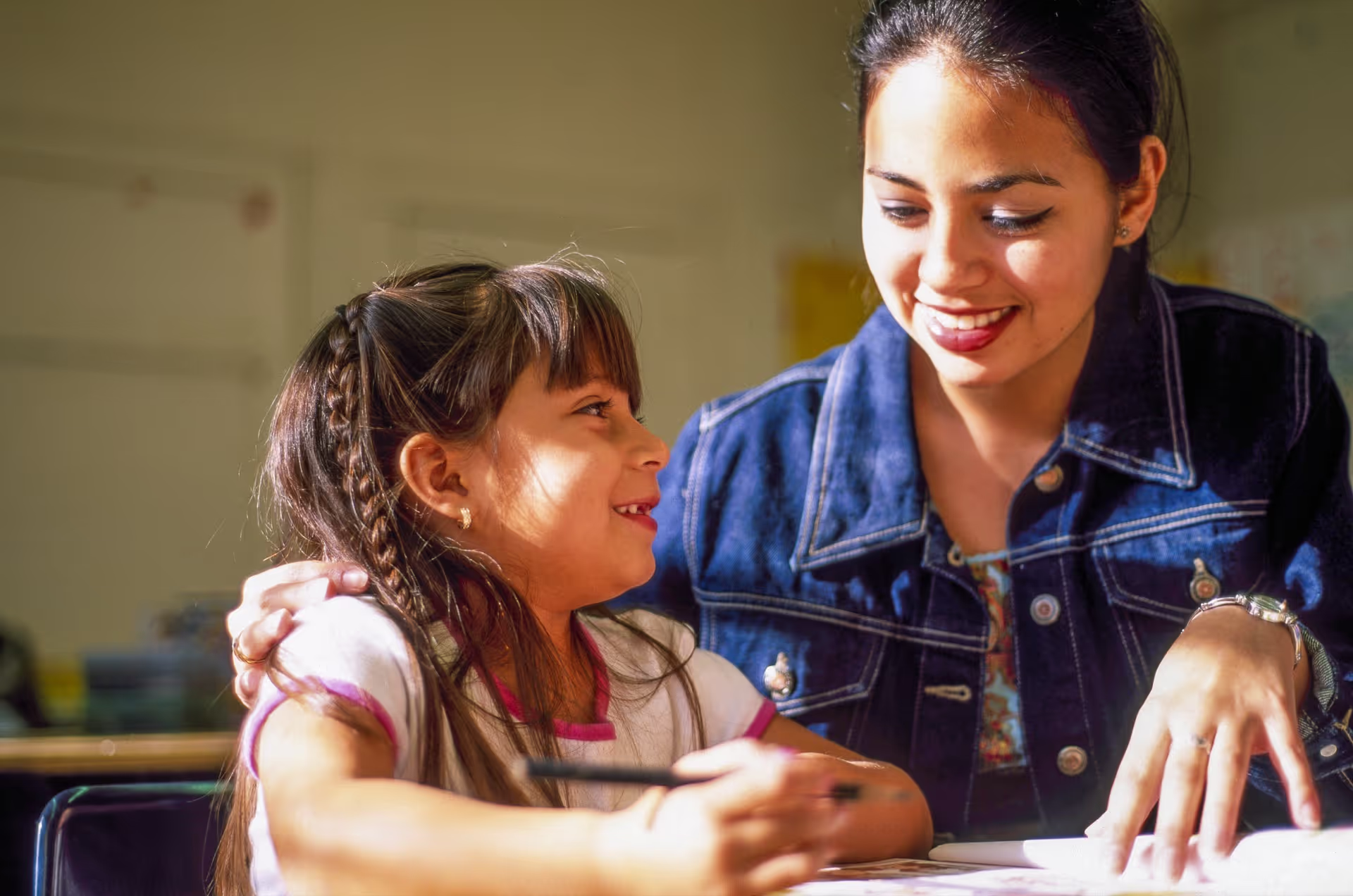
Many schools have programs that need volunteers. Start by calling your local school's main office and asking whether they run a food pantry, backpack program, or snack program. If they do, they'll almost certainly welcome the help. Also check in with the PTA. They often organize food drives and snack donations, and they're easy to reach through the school's website. Or contact your school district office directly. Many districts run food programs across multiple schools and are looking for volunteers.
Another option is the Boys & Girls Club. Across the country, they run USDA meal programs during after-school hours and summers, with volunteers helping set up and distribute meals. Find a club near you or search for USDA summer meal sites in your area.
Volunteer at a community garden
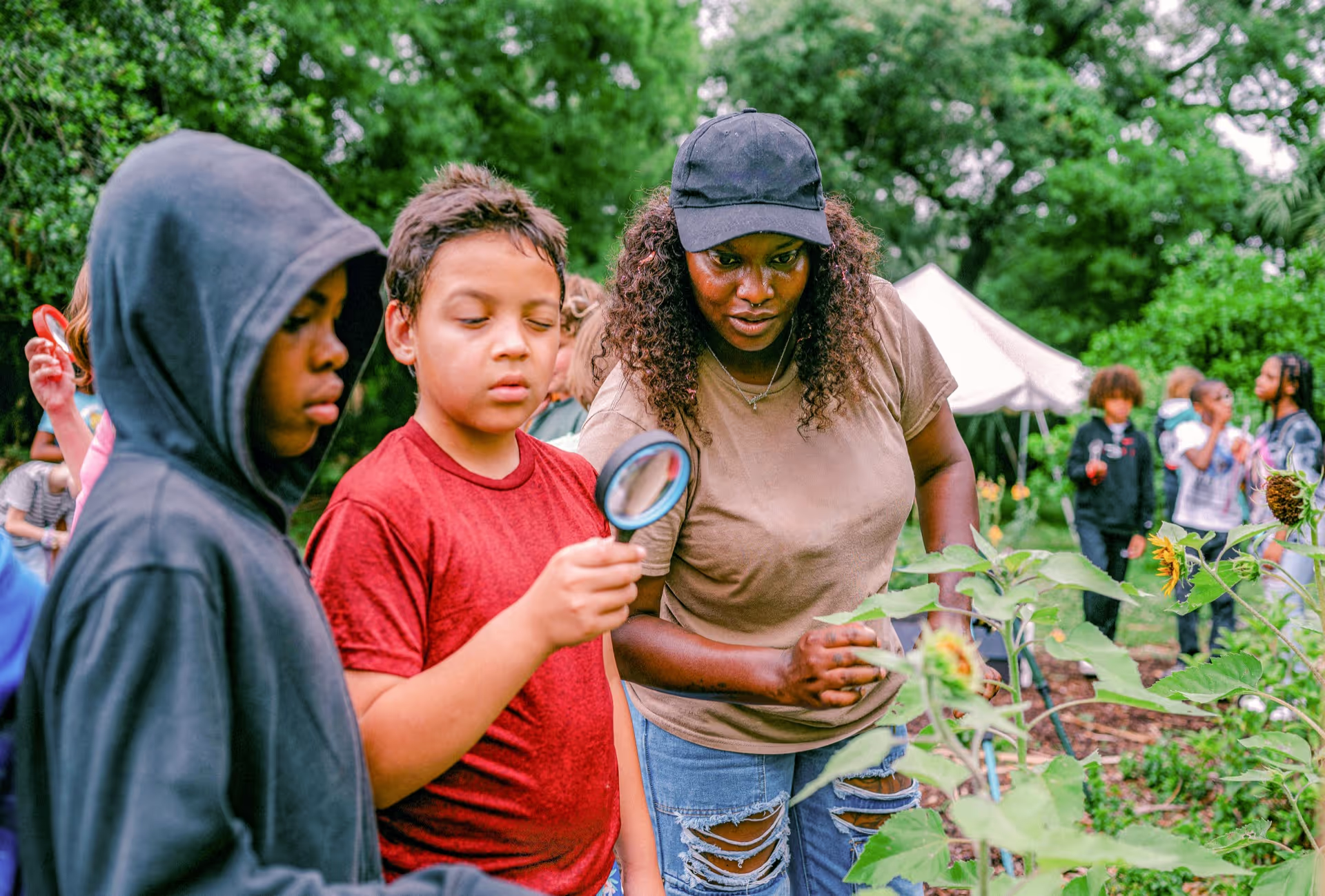
Community gardens grow fresh produce and get it to people who need it, often in neighborhoods with limited access to affordable fruits and vegetables.
Find a community garden near you at American Community Gardening Association or Fresh Food Connect.
Deliver groceries
Mutual aid networks are neighbor-to-neighbor groups that organize practical help like grocery runs and food delivery for people who need it. They tend to serve people aren’t reached by more formal programs, and they're usually easy to join. Search "mutual aid" plus your city or neighborhood, or check mutualaidhub.org, to find a network near you. Most don't require a commitment — you sign up, see what's needed, and help when you can.
Meals on Wheels also has volunteer routes in most areas and typically asks for just a few hours a month. Sign up on their website.
Organize a food drive
A food drive at your workplace, school, place of worship, or apartment building can collect hundreds of pounds of food quickly. Most local food banks will provide boxes, promotional materials, and food pickup. Contact your nearest food bank to get started. They've done this before and will walk you through it.

STOCK A COMMUNITY FRIDGE
Community fridges are open 24/7, and anyone can take what they need. Many neighborhoods have one, often organized by local volunteers. You can drop off fresh food, leftovers, or grocery staples whenever you have extra. Search "community fridge" plus your city to find one nearby.
DONATE TO YOUR LOCAL FOOD BANK
If you want to take action quickly or have a busy schedule, a direct donation to your local food bank is one of the most efficient ways to help. Food banks can often stretch a dollar further than an individual donor can — buying in bulk, sourcing from food rescue programs, and filling gaps that physical donations can't.
SHARE THIS PAGE
Food pantries and volunteer programs are often under-publicized and understaffed — not because people don't want to help, but because don’t know these programs exist or don’t know how to get involved. Sharing this page via email or social media, or mentioning a local program to a neighbor can change that and bring in people who want to pitch in.
A few PROGRAMS LEADING THE WAY
These organizations are on the ground in their communities every week. We know because we fund their work and witness the impact they make by getting affordable, nutritious food onto low-income families’ tables. They'd love to have you help if you’re nearby. If you're not, they're proof of what's possible and what might already exist near you, or what you could create in your neighborhood.
Brotherhood SisterSol
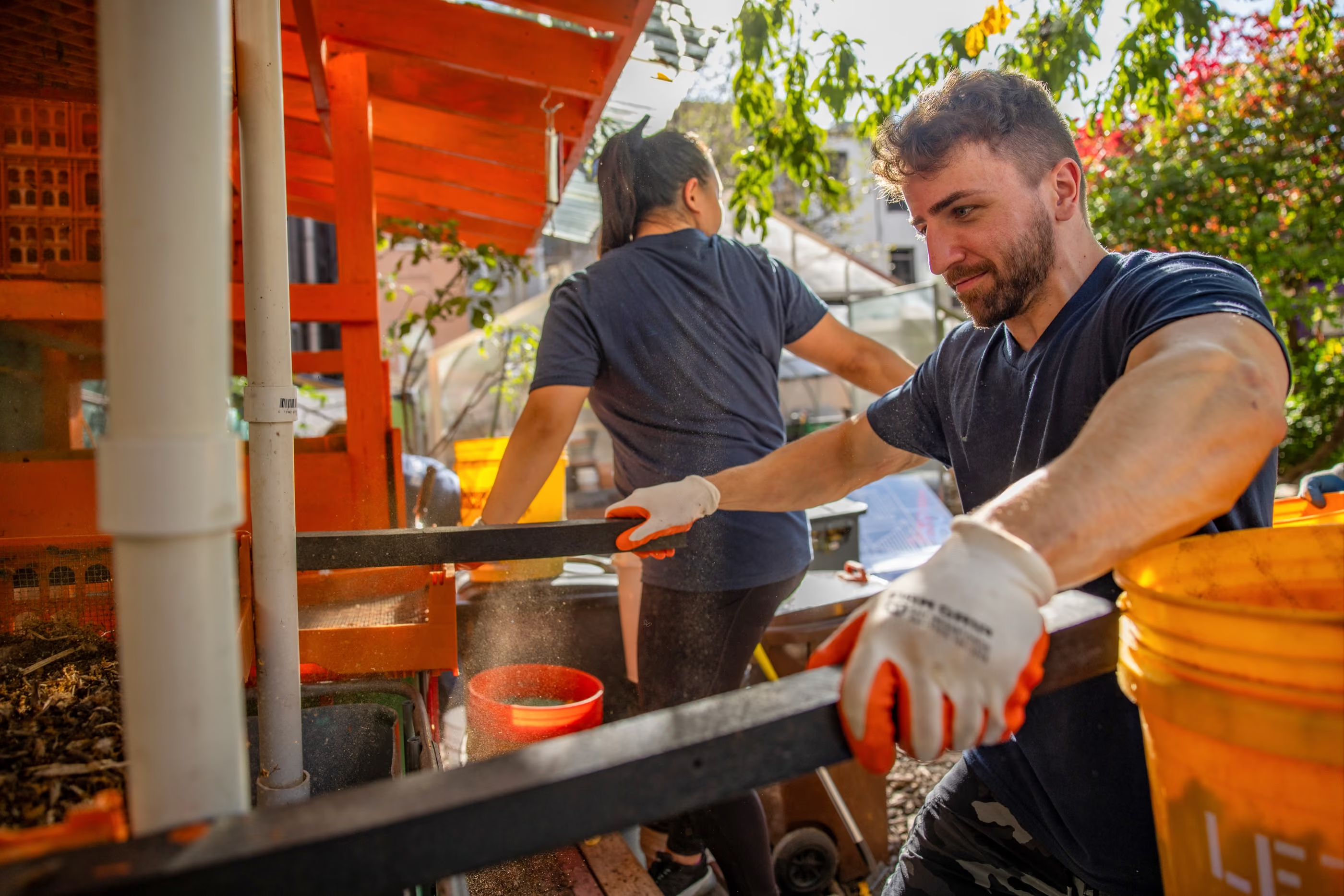
Volunteer at BroSis’ Frank White Memorial Garden – a 6,000-square-foot urban greenspace and environmental center that includes a functional Urban Farm (producing more than 35 varieties of fruits and vegetables), a greenhouse, and a composting center. Additionally, BroSis distributes over 4 tons of fresh and healthy food to local residents at its youth-run Farmer’s Market.
Tejano Center
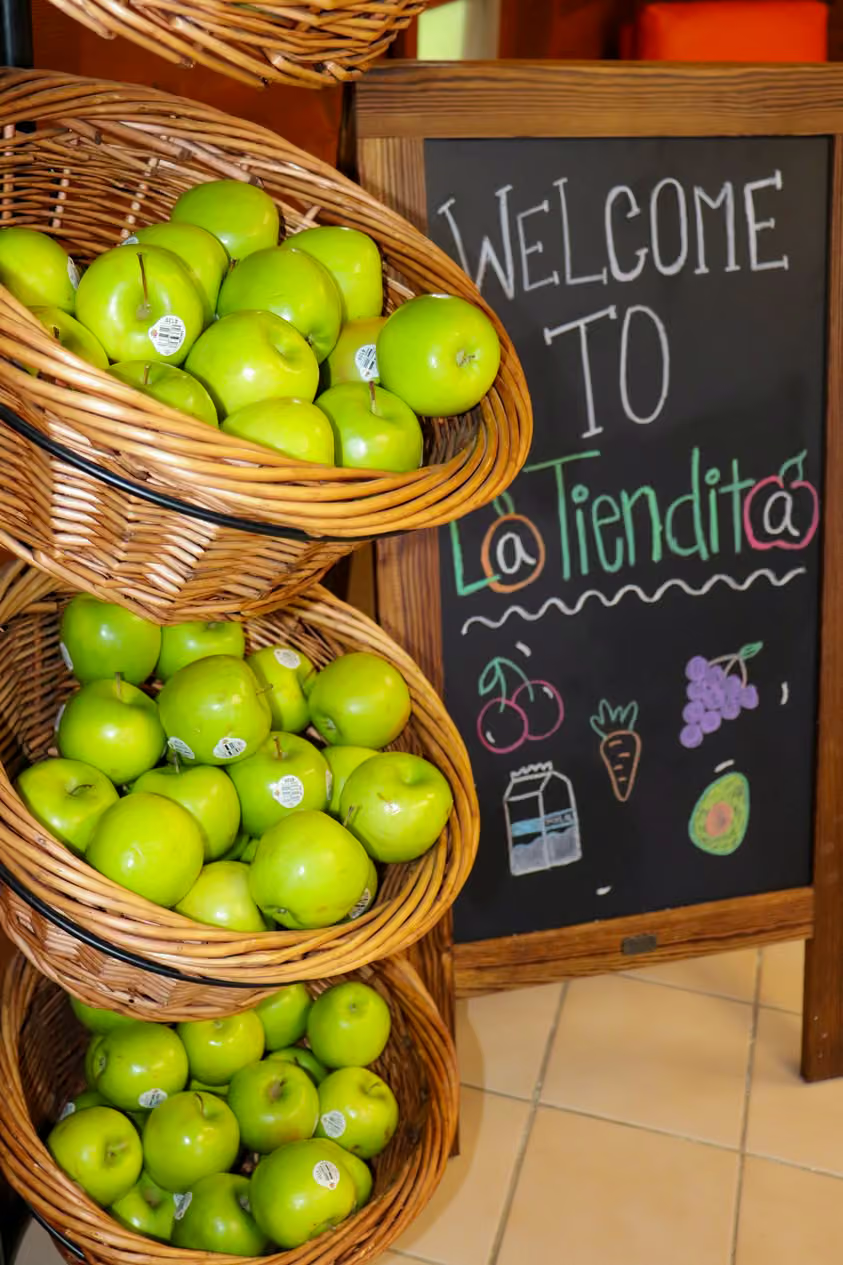
Tejano Center runs two programs that you can volunteer at: School Market Food Distribution in partnership with the Houston Food Bank, where volunteers help bag and distribute groceries to families; and La Tiendita food and resource access hub, where volunteers help stock food, support nutrition classes, and assist with cooking demos.
Learn more about Tejano Center’s volunteer opportunities here.
Latino Memphis
Through its ‘Tu Salud’ community health program, Latino Memphis has a number of food- and nutrition-focused volunteer opportunities that are available throughout the year, including food drives and other health and wellness events.
Join Latino Memphis’ group on Volunteer Odyssey to see current opportunities and get notified with new postings.

Get updates on what's happening
We'll send you news from the communities we work with, ways to get involved, and updates on child poverty in the U.S.